Canopy courses in Muskoka
Treetop aerial parks and canopy tours
This guide stays with Treetop Trekking in Huntsville, Ontario: harness checks, course grades, nearby beds, and the honest cost of a half day in the pines. The full review follows, including every limit and price in CAD.
Quick overview: Treetop Trekking Huntsville
| Feature | Details |
|---|---|
| Location | Huntsville, Muskoka Region, Ontario |
| Nearest airport | Toronto Pearson International (YYZ) – 2.5 hours away |
| Type of location | Aerial adventure park and canopy tours |
| Best time to visit | Late August to October (fall colors and fewer insects) |
| Nearby accommodation | Deerhurst Resort, Arrowhead Provincial Park cabins, local glamping |
| Physical demand | Moderate to high. Requires core strength and mobility. |
A different way through the forest
When planning an outdoor adventure in Canada, the focus is often on ground-level trails or lakes. However, exploring the forest canopy offers a completely different physical and mental challenge. Treetop adventure parks have evolved from simple wooden bridges into massive, engineered obstacle courses suspended up to 50 feet in the air. If you want to test your balance, overcome a fear of heights, or simply get a bird’s-eye view of the Canadian wilderness, an aerial park is the right choice.
For this aerial park guide, we are focusing on Treetop Trekking in Huntsville, Ontario, located deep in the Muskoka region. Situated among towering White Pines and bordering pristine lakes, this location seamlessly combines high-adrenaline canopy tours with the classic Canadian cottage-country aesthetic. It is widely considered to have some of the best zipline courses Canada has to offer, integrated directly into a challenging aerial trekking network.
This review covers everything you need to know before strapping into a harness. We will look at course difficulty, physical requirements, nearby wilderness accommodations, and the honest realities of navigating an aerial park during the peak of bug season.
Location and how to get there
The Huntsville aerial park is located about 220 kilometers north of Toronto, right on the edge of the Canadian Shield. The drive up Highway 11 is straightforward, but weekend traffic during the summer months can easily add an extra hour to your commute. You absolutely need a personal vehicle or a rental car to get here, as public transit to the Muskoka region is limited to seasonal buses that do not stop at the park gates.
The park is situated within the grounds of Deerhurst Resort, meaning you get the benefit of wilderness immersion without being completely cut off from civilization. While you will not need a 4x4 vehicle to access the parking lot, you should check the local weather network (Environment Canada) before departing, as severe thunderstorms can close the highway and the park.
Accommodation options (where to stay nearby)
Because an aerial trek usually takes only three to four hours, most visitors build it into a larger weekend itinerary. While the park itself does not have on-site sleepover cabins in the trees, the immediate surrounding area offers excellent eco-tourism and nature retreat options.
Arrowhead Provincial Park cabins
Just a 10-minute drive from the treetop courses, Arrowhead Provincial Park offers rustic, one-room camp cabins. These provide a solid roof, bunk beds, and a BBQ, but you must bring your own bedding and use the central comfort stations for showers. This is an affordable, off-grid-adjacent option that keeps you deeply immersed in the forest.
Luxury and resort lodging
If you prefer a hot shower and a soft bed after a grueling upper-body workout, Deerhurst Resort is literally next door. It offers traditional hotel rooms and multi-bedroom condos. Alternatively, the Muskoka region is packed with high-end eco-lodges and private glamping setups (canvas prospector tents) hidden along the shores of Peninsula Lake.
The courses and activities (what to expect)
Treetop adventure parks are not passive rides; they are active obstacle courses. The Huntsville location features multiple routes categorized by difficulty, much like ski runs: Green (Beginner), Blue (Intermediate), Red (Advanced), and Black (Extreme).
Your day starts on the ground. Once you are fitted with a climbing harness and helmet, you must complete an orientation on a low-to-the-ground practice cable. Here, you learn how to manipulate your carabiners and pulleys. Treetop Trekking uses a continuous belay system or a smart-belay system, meaning it is physically impossible to unclip both of your carabiners at the same time, significantly reducing the risk of accidental falls.
The aerial trekking experience
Once cleared by the staff, you climb a wooden ladder up into the canopy, often 30 to 50 feet above the forest floor. The obstacles between the trees include swinging logs, suspended cargo nets, wobbly wooden suspension bridges, and Tarzan ropes. Moving through these obstacles requires balance, focus, and a surprising amount of grip strength.
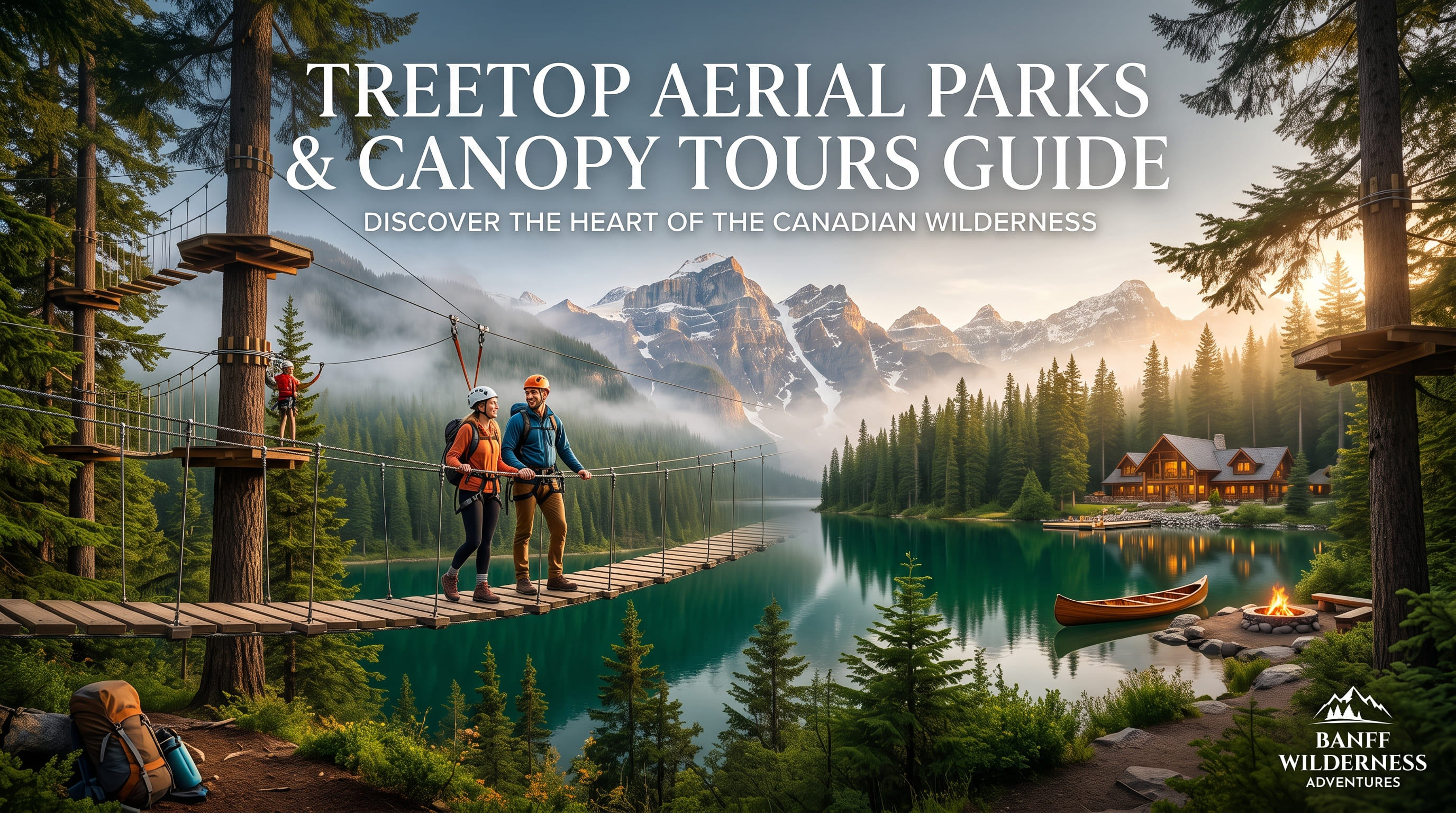
Navigating suspended wooden blocks requires balance and core stability, making the advanced courses physically demanding.
Canopy tours and ziplining
For many, the reward for completing a grueling obstacle is the zipline at the end of the route. This park features some of the most scenic and best zipline courses Canada offers in a forested setting, zipping you over ravines and through dense clusters of White Pine. The speed and length of the lines vary, but they provide a massive adrenaline rush and beautiful views of the Muskoka landscape.
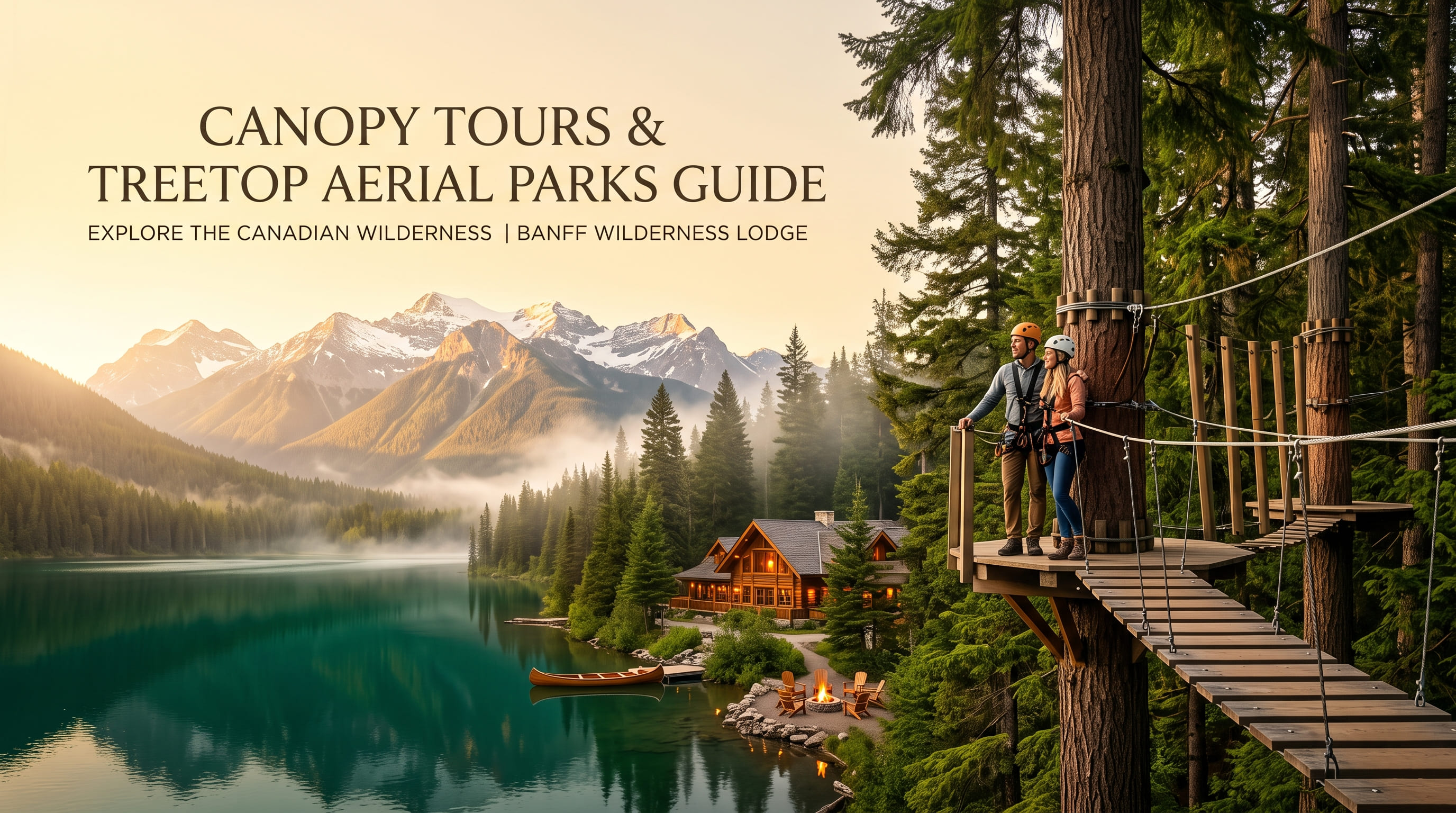
The smart-belay systems ensure that guests remain securely attached to the safety cables at all times during the canopy tours.
Guided tours versus independent climbing
Unlike a guided nature walk, treetop canopy tours Canada style are largely self-directed. You are the one responsible for clipping and unclipping your gear as you move from tree to tree.
However, you are never truly alone. Park guides (often called rangers or patrollers) constantly monitor the courses from the ground. If you get stuck on a difficult obstacle, freeze due to a fear of heights, or experience muscle cramps, a guide can quickly climb up to assist you or lower you safely to the ground using a rescue rope system. There is no shame in asking for a mid-course extraction; it happens daily.
Prices, booking, and hidden costs
A half-day pass (which gives you 3 hours of climbing time) generally costs around 70 to 85 CAD per adult, with slightly lower rates for teens and children. However, there are a few extra logistical details to keep in mind.
You must book well in advance. July and August weekends sell out weeks ahead of time. You will also need to sign a comprehensive digital liability waiver before arriving.
As for hidden costs, climbing gloves are heavily recommended to prevent rope burn and blisters. If you do not bring your own gardening or athletic gloves, you will need to buy a pair at the gift shop (usually around 10 CAD). Additionally, keep in mind that tickets are mostly non-refundable unless you purchase cancellation insurance at checkout, though the park will offer rain-checks if they close due to lightning.
Safety, ecology, and Leave No Trace
Safety is the primary focus of any reputable aerial park guide, but ecological preservation is equally important.
- Tree health: The platforms are attached to the trees using a friction-based clamping system rather than driving massive bolts into the wood. This allows the trees to continue growing and prevents sap bleed and disease. The park regularly works with arborists to monitor the health of the host trees.
- Leave No Trace: You are not allowed to carry loose items in your pockets (like phones, keys, or water bottles). Dropping a heavy smartphone from 40 feet up is both a safety hazard for people below and littering. Lock all valuables in your car.
- Wildlife and bugs: You are in a natural forest, meaning wildlife is present. While you are unlikely to encounter a bear while suspended in a tree, insects are a major factor. In June and early July, black flies and mosquitoes in Muskoka are vicious. You cannot easily swat bugs while holding onto a safety cable, so heavy application of DEET or Icaridin bug spray on the ground is mandatory.
Aerial park evaluation and rating
Based on our eco-travel criteria, here is how Treetop Trekking Huntsville scores.
| Criteria | Rating (1–5) | Comments |
|---|---|---|
| Location and scenery | 4.5/5 | Beautiful Muskoka forest setting, though you can occasionally hear highway traffic. |
| Course quality and variety | 5/5 | Excellent progression from easy green courses to brutal black courses. |
| Safety and gear | 5/5 | State-of-the-art harness systems and highly attentive ground guides. |
| Value for money | 4/5 | Three hours of climbing is physically exhausting, making the price point fair. |
| Eco-friendly practices | 4.5/5 | Low-impact tree installations and strict no-littering policies. |
Pros and cons of the canopy experience
Before you commit to a non-refundable ticket, consider the realities of an aerial obstacle course.
- Pros:
- Provides a genuine adrenaline rush and a tremendous sense of accomplishment.
- Offers a unique, elevated perspective of the Canadian forest that hikers never see.
- Excellent safety protocols mean you can push your limits without real danger.
- Great for team-building or bonding, as you must communicate and encourage each other.
- Cons:
- Physically demanding; your forearms and core will be incredibly sore the next day.
- Weather dependent; courses become slippery in the rain, and lightning forces immediate evacuations.
- Traffic bottlenecks occur on busy weekends when you get stuck behind a slow, fearful climber.
- Heavy bug pressure during the early summer season can be extremely distracting.
Who should book this adventure (and who should pass)
Perfect for: Active families with older children, teenagers, corporate team-building groups, and couples looking for a dynamic outdoor adventure. If you enjoy indoor rock climbing or obstacle course races, you will thrive here.
Not recommended for: People with a severe, paralyzing fear of heights, individuals with recent shoulder or knee injuries, and those lacking basic upper-body strength. Pregnant women and children under the height/age minimums are not permitted on the adult courses. If you prefer a relaxed, low-effort vacation, look for a guided boat tour instead.
Final verdict
Treetop adventure parks represent one of the most engaging ways to experience an outdoor adventure in Canada. The Huntsville location strikes a perfect balance between accessibility and authentic wilderness challenge. While it is physically taxing and requires a tolerance for heights (and occasionally bugs), navigating the canopy offers a thrilling alternative to traditional hiking. Come prepared with gloves, proper footwear, and a good attitude, and you will have an incredibly memorable day in the Muskoka trees.
Read the course colours before you climb
Huntsville grades routes the way a ski hill does. The guide names the four grades and only spells out the Green start in detail. Choose a grade to see that limit plainly.
Green — beginner
You start here. Green courses are low to the ground and use stable obstacles. The day still begins with a harness, a helmet, and a practice cable so you learn the carabiners before you climb. A half-day pass is about 70 to 85 CAD per adult for three hours.
Blue — intermediate
Blue is the intermediate grade in the same progression. The guide does not list a separate obstacle set for Blue. Across the courses, climbers meet swinging logs, cargo nets, suspension bridges, and Tarzan ropes, often 30 to 50 feet up, and move on only when the easier grades feel comfortable.
Red — advanced
Red is the advanced grade. Suspended wooden elements ask for balance and core strength. Guides on the ground can climb up or lower you if you freeze or cramp. There is no separate price in the guide for Red; the half-day pass covers the climbing time you book.
Black — extreme
Black is the extreme end of the progression, described as brutal next to the easy green courses. Adult courses commonly require age 12 or older, usually 55 inches or taller, and a maximum around 250 lbs. Pregnant guests and anyone under those minimums are not on the adult courses.
Questions before you book a harness
Are there age, height, or weight restrictions for canopy tours?
Yes. Most adult aerial courses require participants to be at least 12 years old and meet a minimum height requirement (usually 55 inches or taller) to reach the safety cables. The maximum weight limit is strictly enforced (typically around 250 lbs) due to harness constraints.
What should I wear to a treetop adventure park?
Wear closed-toe athletic shoes or hiking boots; sandals and Crocs are strictly banned. Opt for longer shorts or athletic pants, as the harness straps can rub uncomfortably against bare skin. Tie back long hair to prevent it from getting caught in zipline pulleys.
Do the courses close if it rains?
The parks operate in the rain, and climbing wet wooden obstacles actually adds an extra layer of challenge. However, courses are immediately evacuated if there is lightning or severe high winds. Check the cancellation policy regarding weather delays before booking.
Can I bring my phone or GoPro on the course?
Phones are generally not allowed in pockets unless they are secured in a zippered pouch. GoPros are usually permitted if they are securely mounted to your chest harness or helmet using a proper strap. You cannot hold a camera in your hands while climbing.
Is this activity too difficult for a beginner?
No, provided you have a basic level of fitness. The park is designed progressively. You start on the Green courses, which are low to the ground and feature stable obstacles. You only advance to harder courses if you feel comfortable and confident.
The harness is only half the day
Muskoka weekends still need a bed nearby and a plan for bugs and lightning. The safety guide goes further into belay systems and the 10 Essentials.
Open the safety guide Back to the main guide