Preparation for trips in Canada
Essential outdoor adventure and safety guide
Layers, navigation, bear spray, canopy belays, and Leave No Trace, written for day hikes and aerial parks in Canada. The lists below are the full guide, not a summary.
Quick overview: Canadian wilderness safety essentials
| Factor | Key recommendation |
|---|---|
| Core philosophy | Self-reliance, environmental stewardship, and redundancy (10 Essentials) |
| Clothing system | Three-layer system: synthetic or merino base, insulating mid-layer, waterproof shell |
| Navigation standard | Paper topographic map, compass, plus offline GPS app (AllTrails / Gaia GPS) |
| Emergency communication | Satellite messenger (Garmin inReach, SPOT, or ZOLEO) for off-grid areas |
| Wildlife defense | EPIC-certified bear spray in a hip holster (never stored inside a backpack) |
| High-angle and canopy safety | Smart-belay or continuous belay carabiner systems with certified climbing helmets |
Why a day hike still needs a system
Planning an outdoor adventure in Canada requires a level of preparation that goes far beyond packing a pair of sneakers and a water bottle. The Canadian wilderness is breathtaking, but its sheer vastness, volatile weather, and dense wildlife populations mean that minor oversights can quickly escalate into dangerous situations. Whether you are trekking through the high alpine of the Canadian Rockies, sea kayaking along Vancouver Island, or visiting aerial obstacle parks in Ontario, having a comprehensive outdoor adventure gear guide is vital.
Every year, search and rescue (SAR) teams across Canadian provinces respond to hundreds of avoidable calls involving under-prepared hikers, lost paddlers, and injured tourists. The primary culprit is rarely a sudden catastrophic event; it is almost always inadequate clothing, lack of offline navigation, or a failure to respect basic environmental safety protocols. True self-reliance starts with understanding your gear and knowing how to adapt when conditions change unexpectedly.
This safety guide covers everything you need to navigate the Canadian backcountry with confidence. We will break down essential hiking equipment essentials, examine aerial and canopy tour safety standards, outline actionable eco travel tips, and provide a clear checklist for gear, emergency logistics, and Leave No Trace ethics.
Understanding the Canadian wilderness context
Before buying equipment or setting foot on a trail, you must understand the logistical reality of Canadian outdoor spaces. Unlike many popular European hiking destinations where mountain huts serve hot meals every few miles, vast stretches of Canadian provincial and national parks are entirely unserviced.
Cellular reception drops the moment you leave major highways or municipal boundaries. Furthermore, rescue operations in remote locations—such as backcountry parks in British Columbia, Alberta, or Northern Ontario—can take many hours or even days to execute if weather grounds helicopter support. Being prepared to spend an unexpected night outdoors in cold temperatures is the baseline assumption for any serious day hike in Canada.
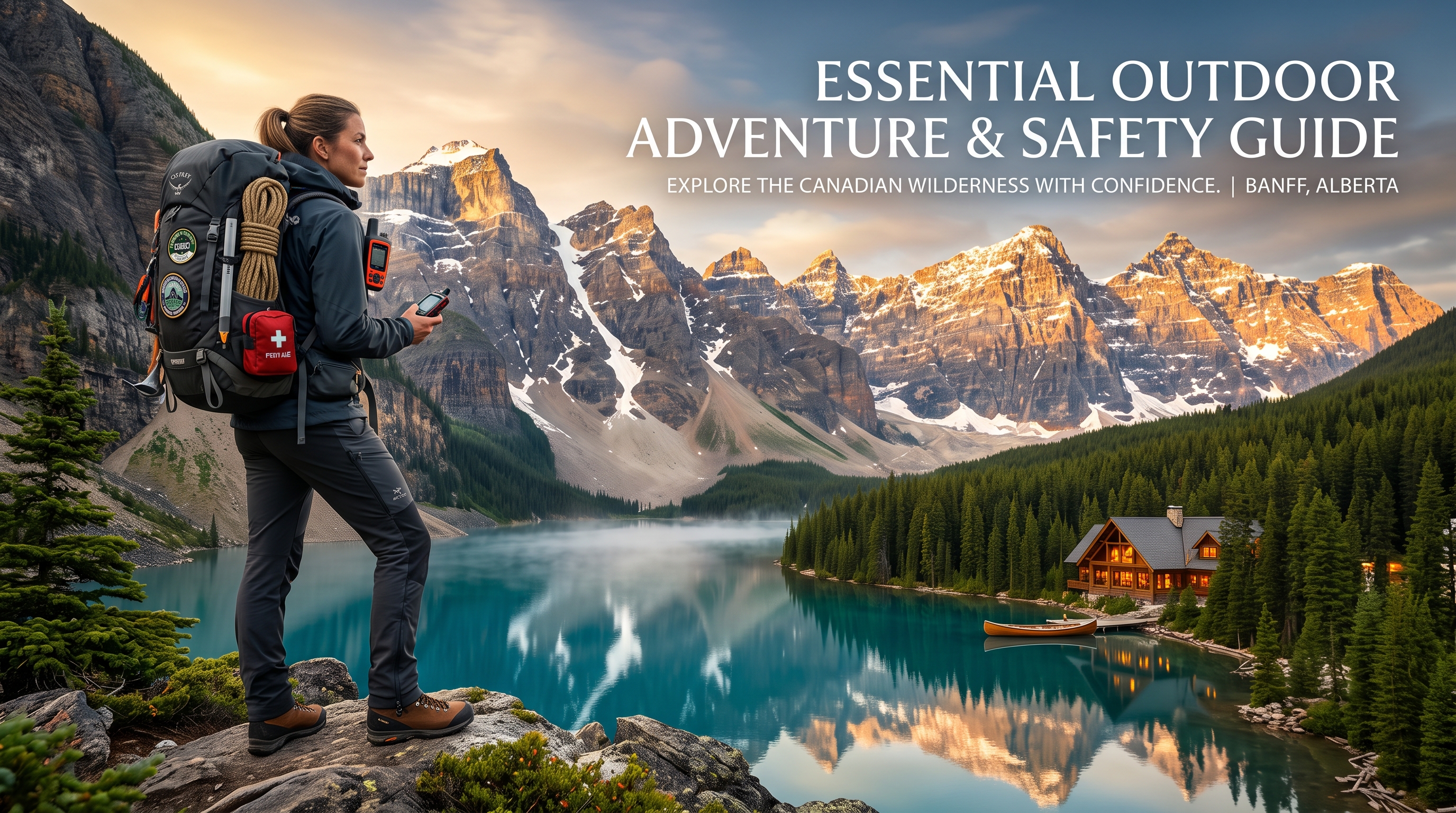
Carrying a dedicated satellite messenger allows hikers to call for emergency rescue even in complete cellular dead zones.
Hiking equipment essentials: the layering and gear system
Packing for a trip into the woods is an exercise in balancing weight with safety. Your clothing acts as your primary shelter against the elements, making proper material selection critical.
The three-layer clothing rule
Cotton is your worst enemy in the backcountry because it absorbs moisture, dries slowly, and rapidly drains body heat when wet. Stick exclusively to synthetic fabrics (polyester, nylon) or natural merino wool:
- Base layer: Next-to-skin merino wool or synthetic top and bottom. This wicks sweat away from your body during strenuous uphill climbs.
- Mid layer: Fleece jacket, lightweight synthetic fill jacket, or down sweater. This traps warm air generated by your body.
- Outer shell: Fully waterproof and windproof jacket (Gore-Tex or equivalent breathable membrane) with taped seams. A simple plastic poncho or rain jacket without ventilation will leave you soaked in your own sweat.
Footwear and traction
Proper footwear prevents the single most common trail injury: twisted ankles and knee strains. Sturdy hiking boots with ankle support and deep vibram lugs are essential for rocky alpine trails in the West, while durable trail runners with good drainage work well for flat, muddy shield trails in the East. Never hit the trail in brand-new boots; break them in weeks before your trip to avoid debilitating blisters.
The 10 Essentials checklist
Regardless of trail difficulty, your day pack should always contain the industry-standard 10 Essentials:
- Navigation: Topographic map, magnetic compass, and a fully charged smartphone with offline GPS maps.
- Hydration: Minimum 2 liters of water plus a water purification method (filtration pump, chemical treatment tablets, or UV purifier).
- Nutrition: Extra high-calorie food (energy bars, trail mix) sufficient for 24 extra hours outdoors.
- Illumination: Hands-free headlamp with fresh batteries (do not rely on your phone's flashlight).
- First aid kit: Sterile gauze, blister pads (Compeed or moleskin), antiseptic wipes, painkillers, and elastic bandages.
- Fire starter: Waterproof matches, a fire steel, or a lighter stored in a sealed baggie, alongside commercial tinder.
- Tools & repair: Multi-tool or sturdy pocket knife, duct tape, and extra straps.
- Emergency shelter: Lightweight Mylar space blanket, emergency bivvy bag, or a compact tarp.
- Sun protection: Polarized sunglasses, SPF 30+ broad-spectrum sunscreen, and a wide-brimmed hat.
- Insulating layers: An extra fleece or puffy jacket beyond what you expect to wear during the day.
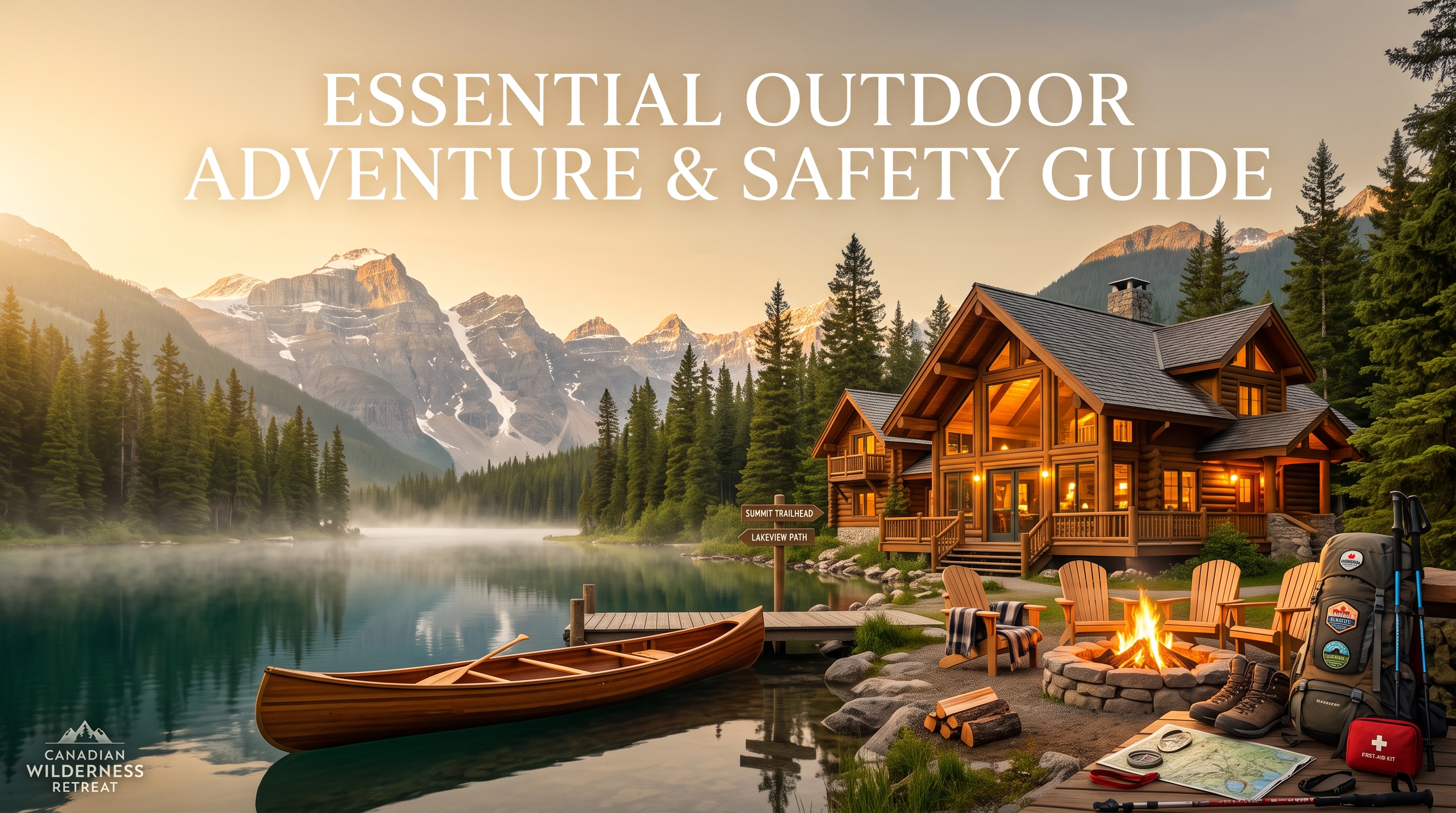
The 10 Essentials form the foundational gear setup required for any safe day trip into Canadian provincial or national parks.
Canopy tour safety and high-angle parks
Aerial adventure parks, zipline courses, and canopy tours have become massive attractions across Canada. While these engineered courses are designed to give participants a thrilling height experience, maintaining high safety standards requires active cooperation from climbers.
Smart-belay technology versus traditional carabiners
Modern Canadian aerial parks utilize smart-belay continuous systems. These carabiner mechanisms interlock electronically or mechanically so that when one carabiner is unclipped from a safety cable, the second carabiner automatically locks shut until the first is safely attached to the next line. This system removes the risk of human error where a climber accidentally unclips both carabiners simultaneously while 40 feet in the air.
Pre-flight protocols and equipment checks
Before stepping onto any aerial platform, ensure the commercial operator strictly adheres to these standards:
- Harness fitting: A certified guide must inspect and tighten your harness straps around your waist and thighs. The waist belt should sit snug above your hip bones.
- Helmet requirements: Helmets must be worn at all times while on the course to protect against falling debris, tree branches, or low-hanging wooden platforms.
- Weight and height inspections: Reputable operators strictly enforce minimum and maximum weight parameters (usually 60 lbs to 250 lbs) to ensure zipline brake systems operate safely.
- Zero loose items: Cameras, phones, and sunglasses must be fully secured with lanyards or locked safely in ground lockers. Dropping items from high platforms presents a severe impact risk to ground visitors.
Eco travel tips and environmental stewardship
Outdoor safety goes hand-in-hand with environmental preservation. Increased foot traffic in fragile ecosystems across Banff, Algonquin, and Pacific Rim National Parks has put severe stress on local wildlife and alpine habitats. Practicing sustainable travel ensures these trails remain intact for future generations.
The 7 principles of Leave No Trace
Adhering to Leave No Trace principles is non-negotiable when exploring Canadian parks:
- Plan ahead and prepare: Know the park rules, weather forecasts, and trail conditions. Ensure you have proper park passes (Parks Canada Discovery Pass or provincial vehicle permits).
- Travel and camp on durable surfaces: Stay strictly on marked trails. Cutting switchbacks causes severe soil erosion and destroys delicate alpine vegetation that takes decades to recover.
- Dispose of waste properly: Pack out everything you pack in—including organic waste like banana peels, apple cores, and peanut shells. Organic food takes months to decompose in cold climates and draws wildlife directly to human trails.
- Leave what you find: Leave rocks, plants, pinecones, and historical artifacts where they are.
- Minimize campfire impacts: Use established fire rings where permitted. Always obey fire bans (which are common across BC and Alberta during hot summer months). Extinguish fires completely with water until coals are cold to the touch.
- Respect wildlife: Observe animals from a distance. Never feed wild animals, as this causes habituation and often leads to animals being euthanized by park authorities when they become aggressive.
- Be considerate of other visitors: Keep noise levels down, yield to uphill hikers on narrow trails, and use headphones if listening to music or podcasts.
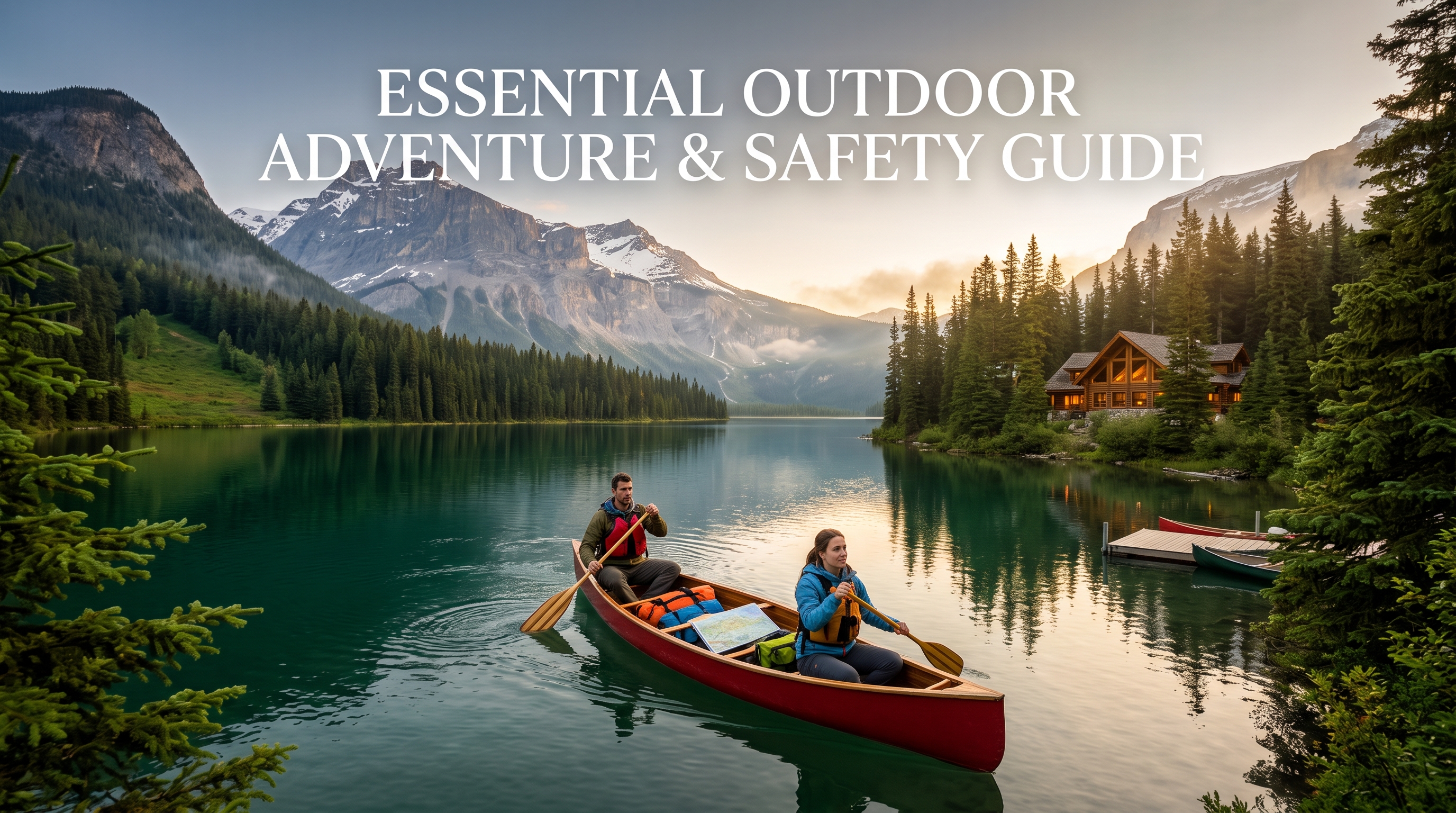
Following Leave No Trace guidelines preserves delicate wilderness ecosystems and reduces wildlife-human conflicts.
Wildlife safety protocols (bears, cougars, and moose)
Encounters with large mammals are a real possibility across Canada. Knowing how to react based on the species is a mandatory safety skill.
Bear safety (grizzlies and black bears)
Prevention is always better than confrontation. Make noise while walking by calling out ("Yo bear!"), clapping, or talking loudly, especially near running water or thick brush where sightlines are poor. Bear bells are generally ineffective because the sound does not carry far enough.
If you encounter a bear:
- Do not run: Running triggers a predatory chase instinct. Bears can run at speeds exceeding 50 km/h (30 mph).
- Stay calm: Speak to the bear in a calm, firm voice. Raise your arms above your head to make yourself look larger.
- Deploy bear spray: Unholster your spray, remove the safety clip, and point it downwards towards the bear. Spray a short burst when the bear is 5 to 10 meters away to create a cloud of capsaicin gas that disrupts their breathing and sight.
- Black bear vs. grizzly attack: If a black bear attacks, fight back aggressively using sticks, rocks, or fists. If a grizzly bear attacks and you do not have bear spray, drop to your stomach, interlock your fingers behind your neck, and use your elbow and toes to protect your chest and face, playing dead until the bear leaves.
Moose and cougar safety
Moose are often more dangerous than bears, particularly cows protecting calves in early summer or aggressive bulls during the autumn rut. If a moose displays warning signs (ears pinned back, hair raised on the neck), back away immediately and put a large tree or boulder between yourself and the animal.
If you encounter a cougar (mountain lion), maintain eye contact, make yourself look big, yell loudly, and fight back with everything available if it attacks. Never turn your back or crouch down.
Costs, gear rentals, and financial planning
Outfitting yourself with high-quality technical outdoor gear can be expensive, but you do not need to buy everything brand new for a single vacation.
High-end technical waterproof jackets cost between 300 and 700 CAD, while sturdy hiking boots run from 200 to 450 CAD. If you are visiting a major outdoor hub (such as Banff, Canmore, Whistler, or Huntsville), consider renting gear from local outdoor outfitters instead. Camping kits (tents, sleeping bags, stoves) can be rented for approximately 40 to 70 CAD per day. Bear spray can often be rented at park visitor centers or local outdoor stores for around 10 CAD per day, which is far more economical than buying a 50 CAD canister that you cannot bring on a commercial flight.
Additionally, remember to account for mandatory administrative fees. Parks Canada Discovery Passes cost approximately 113.25 CAD for a family vehicle (or around 11 CAD per person daily). Provincial parks in BC, Alberta, and Ontario may require day-use vehicle passes or trail reservation fees during peak summer months.
Gear evaluation and safety readiness rating
Assess your level of preparation against this wilderness readiness framework before embarking on your trip.
| Readiness criteria | Rating (1–5) | Comments |
|---|---|---|
| Clothing and footwear | 5/5 | Zero cotton. Fully broken-in footwear and a reliable waterproof outer shell. |
| Navigation systems | 4.5/5 | Offline phone maps downloaded, backed up by paper topo maps and a magnetic compass. |
| Emergency comms | 4/5 | Satellite messenger recommended for off-grid trips; mandatory for solo backcountry travel. |
| Wildlife preparedness | 5/5 | Accessible bear spray on hip belt, knowledge of species-specific defensive reactions. |
| Eco-stewardship | 5/5 | Strict adherence to Leave No Trace principles and local fire ban regulations. |
Pros and cons of in-depth wilderness preparation
Investing time and money into proper outdoor preparation comes with clear trade-offs.
- Pros:
- Significantly reduces the risk of serious injury, hypothermia, or getting lost in off-grid environments.
- Gives you the confidence to explore remote, stunning locations away from crowded tourist spots.
- Protects fragile wilderness ecosystems and prevents negative human-wildlife conflicts.
- Ensures comfort during sudden, dramatic shifts in mountain weather conditions.
- Cons:
- High-quality technical clothing and safety devices carry substantial upfront costs.
- Carrying the 10 Essentials adds noticeable physical weight to your day pack.
- Requires time spent researching trails, downloading maps, and checking weather reports in advance.
- Can feel overly cautious to casual tourists accustomed to heavily developed urban parks.
Who needs this guide (and who can skip it)
Essential for: Day hikers, backcountry campers, road-trippers exploring national parks, families engaging in aerial adventure parks, and international travelers unfamiliar with North American wildlife and weather volatility.
Can be simplified for: Visitors staying exclusively within urban parks (like Stanley Park in Vancouver or Mount Royal in Montreal), tourists sticking strictly to paved boardwalks directly adjacent to resort parking lots, and travelers on fully escorted commercial bus tours with professional guides.
Final verdict
An outdoor adventure in Canada offers unparalleled natural beauty, but the wilderness demands respect. By treating your gear as a functional safety system rather than a fashion choice, mastering canopy tour safety standards, carrying accessible bear spray, and leaving zero trace of your visit, you guarantee a safe and memorable experience. Preparation is not about fearing the wilderness—it is about giving yourself the freedom to explore it safely. Pack smartly, respect the elements, and enjoy the trail.
Tick the 10 Essentials before you leave the trailhead
These ten items are the checklist in the guide. Mark what is already in the pack. The count stays in this browser tab only.
0 of 10 marked
Questions the guide keeps answering
Can I bring bear spray on a commercial airplane when flying to Canada?
No. Bear spray is strictly prohibited in both carry-on and checked luggage on all commercial flights. You must purchase or rent your bear spray upon arrival in Canada at an outdoor outfitters store or park visitor center, and dispose of it properly before flying home.
Are bear bells enough to keep bears away while hiking?
No. Parks Canada wildlife experts generally discourage relying on bear bells. The tinkling sound does not carry far enough down a windy or rushing river trail to give bears adequate warning. Making loud human noises—such as calling out "Yo bear!" or clapping—is far more effective at preventing surprise encounters.
What should I do if my phone battery dies while I am using it for navigation?
This is why paper topographic maps and a magnetic compass are part of the mandatory 10 Essentials. Cold weather drains smartphone batteries rapidly. Always keep your phone in an inside pocket near your body heat, carry a portable USB power bank, and never rely solely on an electronic device for trail navigation.
Do I need a satellite messenger if I am only doing day hikes?
If you are hiking on heavily trafficked trails near major tourist towns like Banff or Whistler, a satellite messenger is optional. However, if you are venturing into off-grid provincial parks, hiking solo, or taking trails with low visitor volume where cell service is non-existent, carrying an active satellite device (like a Garmin inReach) is highly recommended for emergency peace of mind.
What is the best way to avoid getting lost on Canadian backcountry trails?
Always study the trail route before leaving, download offline topographic maps, read recent trail reports on apps like AllTrails or Gaia GPS to note confusing intersections, and pay attention to trail markers (flashing blazes or wooden markers attached to trees). Never leave the marked trail to take shortcuts.
How do I check if there is a fire ban in the park I am visiting?
Check the official website of the specific provincial park agency (e.g., BC Parks, Ontario Parks) or Parks Canada, as well as municipal emergency websites. During summer heatwaves, fire bans are strictly enforced, prohibiting all open campfires, charcoal BBQs, and fireworks across entire regions.
Put the list against a real place
The main guide sorts regions. The canopy note covers harness rules in Huntsville. Neither replaces the pack on your back.
Read the main guide Open the canopy guide