Field notes for travellers in Canada
Outdoor adventure and nature resorts in Canada
A long read on eco-lodges, wilderness cabins, park passes, and the practical limits of travelling a country this large. The briefing below keeps every region, cost, and caution from the guide.
Quick overview: Canadian wilderness resorts
| Feature | Details |
|---|---|
| Top regions | British Columbia, Alberta (Rockies), Ontario, Quebec |
| Accommodation types | Eco-lodges, wilderness cabins, canvas glamping, backcountry camping |
| Best time to visit | Late June to mid-September (summer), December to March (winter sports) |
| Connectivity | Mostly off-grid in remote parks; Wi-Fi available at main resort lodges |
| Required permits | Parks Canada Discovery Pass (for national parks) or provincial park passes |
| Wildlife factor | High (black bears, grizzlies, moose, wolves). Bear spray is highly recommended. |
How to read a wilderness trip in Canada
When it comes to planning an outdoor adventure in Canada, the sheer scale of the country can be intimidating. Spanning six time zones and featuring everything from temperate rainforests to alpine tundra, Canada offers a rugged, raw environment for eco-tourism. Finding the right Canadian nature resorts requires understanding the regional differences, climate limitations, and logistical hurdles of traveling in a massive, sparsely populated country.
This guide breaks down the core eco-tourism destinations across the provinces. Whether you are looking for a remote fly-in lodge in British Columbia, a backcountry glamping setup in the Canadian Rockies, or a lakeside cabin in Ontario, knowing what to expect is crucial. True wilderness means dealing with unpredictable weather, wildlife encounters, and variable connectivity.
We will explore the best outdoor activities Canada has to offer, how to choose your accommodation, what you need to know about national park passes, and how to pack for an off-grid nature retreat without overspending.
Top eco-tourism destinations and regions
Because Canada is too large to cover in a single trip, choosing a specific region for your outdoor adventure is step one. The landscape, weather, and available infrastructure change drastically from coast to coast.
British Columbia (Pacific Coast and mountains)
British Columbia is the epicenter of luxury Canadian nature resorts and rugged coastal adventures. Regions like Tofino on Vancouver Island offer remote eco-lodges nestled in the old-growth temperate rainforest. You can hike the Pacific Rim National Park Reserve in the morning and sea kayak among orcas in the afternoon. Inland, regions like Revelstoke and Whistler provide access to high alpine environments, though reaching remote lodges often requires a 4x4 vehicle or a floatplane.
Alberta (the Canadian Rockies)
If you want dramatic peaks, turquoise glacial lakes, and dense wildlife populations, Alberta’s Banff and Jasper National Parks are the primary targets. Accommodations here range from high-end historic mountain lodges to off-grid backcountry cabins accessible only by hiking or horseback. The Rockies offer some of the best outdoor activities in Canada, but the weather is volatile. Snow in July is not uncommon at higher elevations.
Ontario (lakes and Shield)
Ontario’s outdoor scene is defined by the Canadian Shield—ancient granite rock, dense pine forests, and thousands of freshwater lakes. Algonquin Provincial Park and the Muskoka region are famous for canoe camping and lakeside eco-resorts. This region is less about extreme vertical hiking and more about paddle sports, portaging, and traditional wood-fired saunas by the water.
Quebec (Laurentians and Charlevoix)
Quebec brings a distinct Francophone culture to its eco-tourism destinations. The Laurentian Mountains (Mont-Tremblant area) and the Charlevoix region offer extensive networks of hiking trails and via ferrata routes. Quebec is particularly strong in winter adventures, featuring extensive snowmobiling, cross-country skiing, and dog-sledding networks out of cozy, wood-heated cabins.
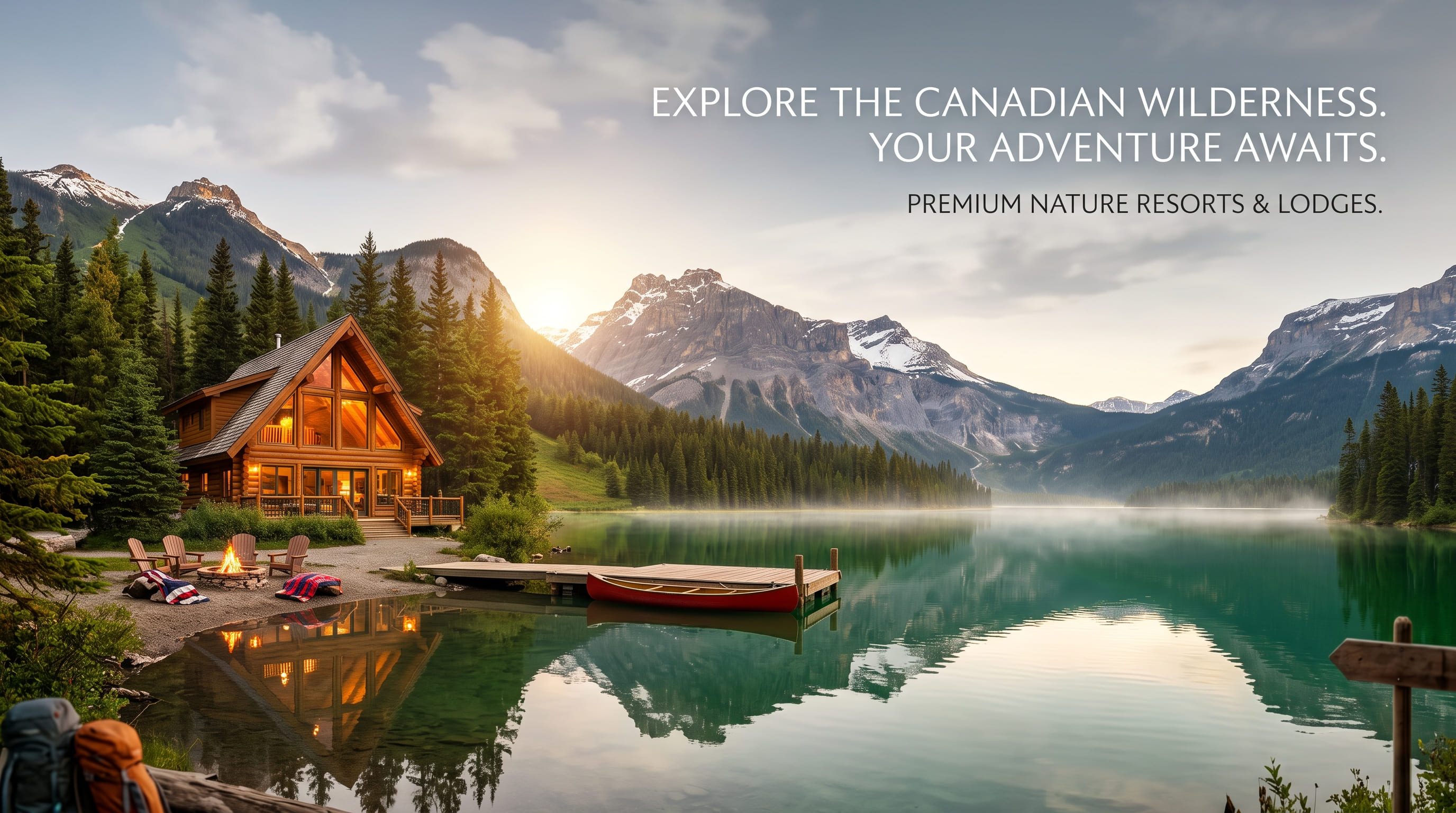
Many remote nature resorts in the Canadian Rockies sit on glacier-fed lakes, requiring a hike or boat ride to access.
Accommodation styles: where you will sleep
The term "nature resort" in Canada covers a broad spectrum of comfort levels. Knowing exactly what you are booking prevents unpleasant surprises regarding heating, bathrooms, and electricity.
Eco-lodges and luxury resorts
High-end eco-lodges provide traditional hotel comforts in the middle of the wilderness. Expect high-thread-count sheets, farm-to-table dining featuring local ingredients (like Pacific salmon or Alberta beef), and guided excursions. These properties often run on solar or micro-hydro power. While comfortable, they are expensive, frequently exceeding 500 CAD per night, and require booking 8 to 12 months in advance.
Glamping (canvas tents and domes)
Glamping has exploded across Canadian parks. Many private operators and provincial parks now offer permanent canvas prospector tents, yurts, or geodesic domes. These usually feature real beds, wooden floors, and a wood-burning stove for chilly nights. However, bathrooms are often shared facilities located a short walk from your tent, and you may need to cook your own meals on a fire pit or propane stove.
Rustic wilderness cabins
For a true off-grid experience, rustic cabins offer shelter without modern distractions. Many backcountry cabins in regions like BC and Alberta have no running water or electricity. You must pump your own water, chop wood for the stove, and bring in all your food. This is a highly rewarding experience for self-sufficient travelers but requires proper outdoor gear and preparation.
Best outdoor activities in Canada (what to do)
Canadian nature resorts usually act as basecamps for intensive outdoor exploration. The activities depend heavily on the season and the province.
Hiking and alpine trekking
Hiking is the most accessible outdoor adventure in Canada. Trails range from flat, paved boardwalks around thermal hot springs to grueling multi-day alpine scrambles. In the Rockies, trails are heavily monitored for bear activity, and closures are frequent to protect wildlife. Good hiking boots and weather-proof layers are mandatory, as valley temperatures differ vastly from mountain passes.
Paddling: canoeing, kayaking, and SUP
In Ontario and Quebec, the canoe is the primary mode of wilderness transport. Resorts usually provide canoes, paddles, and life jackets (PFDs) for guests. On the West Coast, ocean kayaking is dominant, offering close encounters with seals, sea lions, and whales. Paddleboarding has become ubiquitous on calmer lakes across the country, though the glacier-fed water is dangerously cold year-round.
Morning paddling in regions like Algonquin Park offers the best chance to spot moose feeding near the shore.
Winter adventures
If visiting between December and March, the focus shifts to snow. Many eco-lodges stay open, offering snowshoeing, cross-country skiing (Nordic skiing), and fat-biking on groomed trails. Downhill skiing is available near major mountain resorts, but backcountry lodges often focus on ski-touring and split-boarding, which require avalanche safety training and specialized gear.
Guided tours versus independent exploration
Most Canadian nature resorts give you the option to explore independently or hire a guide. If you are unfamiliar with Canadian wildlife or backcountry navigation, a guide is highly recommended.
Local guides and Parks Canada rangers understand the terrain, know where to spot wildlife safely, and carry emergency communication devices (like inReach or SPOT). Indigenous-led tours are increasingly popular and offer essential historical context, plant medicine knowledge, and storytelling that you cannot get from a map. If you choose to hike alone, always leave a trip plan with the lodge front desk and ensure you have offline topographic maps downloaded, as cell service drops immediately outside town limits.
Pricing, booking, and hidden costs
Outdoor adventure in Canada is rarely a budget vacation. While camping is cheap, nature resorts and eco-lodges are premium products. Expect to pay between 200 CAD to 800+ CAD per night depending on the level of luxury and remoteness.
You must factor in hidden costs. If your resort is inside a National Park (like Banff, Jasper, or Pacific Rim), you are legally required to buy a Parks Canada Discovery Pass (approx. 113 CAD for a family/car annually, or daily rates). Provincial parks may have their own vehicle fees. Additionally, isolated lodges often charge mandatory "resort fees" or require you to pay for a seaplane/boat transfer to reach the property. Finally, cancellation policies are strict; many remote lodges require non-refundable deposits because they cannot fill last-minute cancellations.
Safety, wildlife, and Leave No Trace
Safety in the Canadian wilderness is a serious matter. You are entering habitats shared by apex predators and dealing with rapidly changing weather.
- Bear safety: Whether in BC, Alberta, or Ontario, you are in bear country. Carry bear spray on your belt (not inside your backpack), know how to use it, and travel in groups. Make noise on the trail to avoid surprising wildlife.
- Bugs and insects: In June and early July, mosquitoes, black flies, and horseflies can be severe, especially near water in Ontario and Quebec. Bring DEET-based bug spray and consider a bug-net jacket.
- Weather preparedness: The "10 Essentials" are mandatory for any hike. Always pack a waterproof shell, extra insulating layers, a headlamp, and sufficient water. Cotton clothing is dangerous in cold, wet conditions; stick to merino wool or synthetics.
- Leave No Trace: Pack out all trash, including organic waste like apple cores, which attract wildlife to trails. Stay on marked paths to protect fragile alpine ecosystems, and never feed wild animals.
Carrying bear spray where it is instantly accessible is a mandatory safety practice when hiking in western Canada.
Resort evaluation and rating guide
When comparing eco-tourism destinations, consider these criteria to ensure the resort matches your expectations.
| Criteria | Rating (1–5) | Comments |
|---|---|---|
| Location and scenery | 5/5 | Canada offers world-class, untouched wilderness, but getting to the best spots takes time. |
| Accommodation quality | 4/5 | Ranges from ultra-luxury to basic shelters. Quality is high, but off-grid limits some amenities. |
| Activity options | 5/5 | Endless trails, lakes, and mountains. Perfect for active travelers. |
| Value for money | 3/5 | Canada is expensive. High taxes, park passes, and seasonal pricing reduce overall affordability. |
| Eco-friendly practices | 4.5/5 | Most lodges strictly adhere to sustainability, using solar power and local sourcing. |
Pros and cons of Canadian wilderness resorts
Before booking your flight and packing your hiking boots, weigh the realities of traveling in the Canadian backcountry.
- Pros:
- Access to pristine, uncrowded natural environments and old-growth forests.
- Incredible opportunities for ethical wildlife viewing in natural habitats.
- A wide variety of trail networks catering to beginners and expert mountaineers alike.
- High standards for cleanliness, safety, and environmental protection at lodges.
- Cons:
- Logistics can be exhausting; reaching a lodge often involves a flight, a long drive, and a boat ride.
- Severe insect activity (black flies and mosquitoes) during the early summer months.
- Very poor or non-existent mobile network coverage outside of major towns.
- High costs for accommodation, gear rentals, and guided tours during the short summer peak season.
Who should book an outdoor adventure in Canada?
Perfect for: Nature enthusiasts, avid hikers, landscape photographers, and couples looking for a secluded, quiet retreat. If you appreciate waking up to the sound of loons, drinking coffee on a wooden deck in the crisp morning air, and spending your days physically active, Canadian nature resorts are unmatched.
Not recommended for: Travelers looking for budget-friendly all-inclusive resorts, those who require fast internet for remote work, or people uncomfortable with driving long distances. If you dislike insects, unpredictable rain, or the idea of being far from medical facilities, you should look closer to major cities rather than deep wilderness lodges.
Final verdict
An outdoor adventure in Canada requires preparation, a decent budget, and a willingness to adapt to nature's schedule. The reward is experiencing some of the most dramatic, well-preserved wilderness on the planet. By choosing the right province, packing appropriate gear, and understanding park regulations, a stay at a Canadian eco-lodge provides a grounding, physical, and visually stunning travel experience that you cannot find in heavily urbanized destinations. Plan ahead, respect the wildlife, and book early.
More field notes
Family weekend getaways looks at Manning Park Resort in British Columbia: cabins with kitchens, Lightning Lake, and a family ski hill a few hours from Vancouver.
Luxury mountain and nature resorts stays with Emerald Lake Lodge in Yoho National Park, including cabin life, dining costs in CAD, and the Parks Canada pass.
Treetop aerial parks and canopy tours covers Treetop Trekking in Huntsville, Ontario: course grades, harness systems, and bug season.
The essential outdoor adventure and safety guide sets out the 10 Essentials, layering, bear spray, and Leave No Trace for trips in Canada.
Match a region to the trip you can actually run
Four provinces carry most of this guide. Choose one to reread the conditions that change the packing list, the season, and how you get there. Nothing here is a booking offer.
British Columbia
British Columbia is the epicenter of luxury Canadian nature resorts and rugged coastal adventures. Tofino and Pacific Rim sit in old-growth temperate rainforest; Revelstoke and Whistler open onto high alpine country. Remote lodges often need a 4x4 or a floatplane.
Alberta
Banff and Jasper National Parks are the primary targets for dramatic peaks, turquoise glacial lakes, and dense wildlife. Stays range from historic mountain lodges to backcountry cabins reached on foot or horseback. Snow in July is not uncommon at higher elevations.
Ontario
The Canadian Shield defines the trip: granite, pine, and thousands of lakes. Algonquin Provincial Park and Muskoka are known for canoe camping and lakeside eco-resorts. The pace is paddle sports, portaging, and wood-fired saunas, not extreme vertical hiking.
Quebec
The Laurentians around Mont-Tremblant and the Charlevoix region mix hiking with via ferrata, in a Francophone eco-tourism setting. Winter is a strength: snowmobiling, cross-country skiing, and dog-sledding from wood-heated cabins.
Questions readers ask before they book
When is the best time to visit Canadian nature resorts?
For hiking and paddling, July to early September offers the best weather and trail conditions, though it is the most crowded. June can be very buggy, and late September brings beautiful fall foliage but colder nights. For winter sports, January to March is ideal.
Do I need a pass to enter national parks?
Yes. If your resort or hiking trail is located within a national park, you must purchase a Parks Canada pass. You can buy day passes at the park gates or an annual Discovery Pass online before your trip.
Will my cell phone work at an eco-lodge?
Generally, no. Once you leave the main highways or major towns like Banff or Jasper, cell service drops entirely. Most luxury lodges offer Wi-Fi via satellite, but rustic cabins and backcountry resorts are completely off-grid. Plan to be disconnected.
Is it safe to hike because of the bears?
Yes, it is safe if you follow the rules. Hike in groups of four or more, make loud noises (talk or clap) to avoid surprising a bear, keep dogs on a short leash, and always carry bear spray in an accessible spot. Check local trail reports for closures before heading out.
Can I bring my dog to a wilderness resort?
This varies heavily by location. Some eco-lodges are extremely pet-friendly, while others strictly forbid dogs due to local wildlife conflicts (dogs can provoke bears or disturb nesting birds). Always verify the pet policy and national park dog regulations before booking.
Do I need to rent a car to reach these resorts?
In most cases, yes. Canada’s public transit outside of major cities is very limited. Renting a vehicle (often an SUV or AWD depending on the lodge's access road) is the most reliable way to explore. Some high-end resorts offer shuttle services from major airports like Calgary or Vancouver, but having your own car allows you to reach trailheads independently.
Pack for the country, not the brochure
The safety guide covers layers, bear spray, and the 10 Essentials. The other notes stay with one place: a family park in the Cascades, a historic lodge on Emerald Lake, and a canopy course in Muskoka.
Open the safety guide Back to the overview